Retail’s New Reality: Craft, Culture and the Power of the Frontline
Andrew Busby · 27 April 2026 · 4 min read
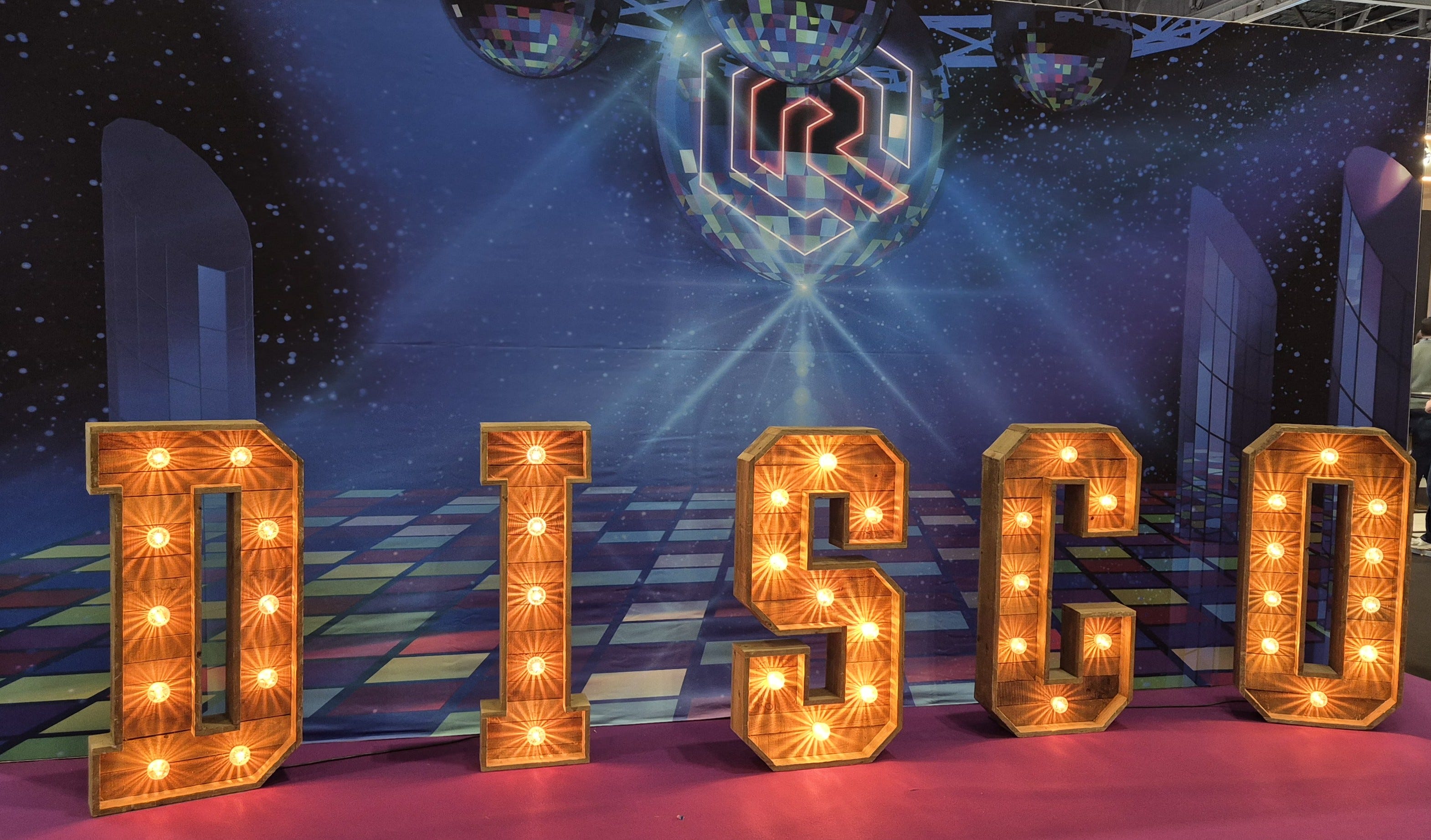
Across conversations I had with some amazing retail leaders at the Retail Technology Show, a strikingly consistent narrative emerged, one that cuts across luxury and value, digital natives and heritage icons, sustainability pioneers and data‑driven giants. Retail is being reshaped by forces that are both technological and deeply human. And at the centre of this transformation sits a renewed appreciation for stores, store teams, and the frontline experience.
It has become clear to me that the future of retail will be built not just on algorithms and automation, but on craft, culture, and connection. AI - know your place, because humans remain the heartbeat of retail.
Sustainability as Craft, Not Compromise
Stuart Trevor, founder of AllSaints and now the creative force behind his eponymous upcycled label embodied a shift happening across fashion. His approach is simple: we don’t need more clothes; we need better stories. His studio turns discarded garments into one‑off pieces, each signed, dated, and treated as “a walking work of art.” Customers aren’t just buying a jacket; they’re buying meaning, provenance, and individuality.
But Trevor’s approach also reveals something important about physical retail. His Shoreditch studio is a destination, part showroom, part party venue, part community hub. People come not just to shop, but to experience. As he put it, “we try and create an experience that people love to come shopping for,” even though 99% of sales are online. The store becomes a stage for brand theatre, creativity, and belonging.
The Rise of the Purpose‑Driven Brand
Jody Plows, CEO of Nobody’s Child, echoed this shift toward purpose and authenticity. The brand’s meteoric growth, quadrupling revenue between 2022 and 2024 wasn’t driven by aggressive expansion or discounting, but by a clear, consistent strategy: sustainable fashion at an accessible price point
Plows described the culture behind the growth as being “High‑low thinking,” one minute shaping a three‑year strategy, the next steaming clothes before a store opening. This humility and hands‑on leadership style filters through the organisation, creating a team that’s energised, aligned, and willing to muck in.
And again, the store plays a symbolic role. Even as a digital‑first brand, Nobody’s Child sees physical retail as a place for connection, discovery, and storytelling, not just transactions.
Data‑Driven Retail Requires Human‑Driven Leadership
If Trevor and Plows represent the creative and cultural side of retail’s evolution, New Look’s COO/CIO Lynda Petherick represents the analytical engine powering the sector forward.
She had a clear message: data is no longer a department; it’s a business transformation. New Look’s advanced customer model, segmenting customers into 220,000 micro‑cohorts, is a reminder of how sophisticated modern retail has become.
But Petherick also emphasised that data transformation fails without cultural transformation. “Delegation will lead to oblivion,” she warned. Leaders must stay hands‑on, curious, and emotionally invested in the technology shaping their future.
And crucially, she brought the conversation back to stores and store teams. Omni customers are New Look’s most valuable segment, and frontline colleagues are the ones who create “moments of delight.” Investments in modern POS, real‑time stock visibility, and unified systems aren’t just operational upgrades, they’re enablers of better human interaction.
Luxury Retail: Where Human Touch Is the Product
If New Look is using data to elevate the mass market, Harrods is using it to deepen the luxury experience. Chief Retail Officer Mark Blundell described a world where frontline staff must know not just a customer’s name, but their children’s birthdays, preferred holiday destinations, and favourite cocktail. And when those preferences are modified.
This is retail as relationship, a world where loyalty is earned through trust, continuity, and emotional intelligence. Blundell was candid about the demands placed on frontline staff: long hours on marble floors, high expectations. Yet he also highlighted their extraordinary professionalism and the importance of retaining talent. For Harrods’ top clients, continuity of people is a must.
Even in a world exploring AI, Blundell was clear: Harrods will always be a “fast follower,” because its core value is human connection. Technology may support the experience, but it will never replace the frontline.
The Store as Stage, Community, and Culture
Peter Cross, former business partner of Mary Portas and Customer Experience Director at John Lewis tied all these threads together. He argued that physical retail must now serve two modes: fast and frictionless for transactional missions, and slow and sensory for emotional ones. The best retailers understand which mode their customers are in and design accordingly.
But Cross also delivered a warning: too many retailers have underinvested in the physical experience while pouring energy into digital. And too many still treat frontline staff as a cost rather than an asset. “Pride unlocks discretionary energy,” he said, a reminder that culture, not technology, is the ultimate differentiator.
A New Blueprint for Retail
Across all five conversations, a new model of retail emerged, one that blends:
Craft and creativity
Purpose and culture
Data‑driven intelligence
Human‑centred luxury
Experience‑led store design
And running through all of it is a single truth:
The frontline is where retail lives or dies.
Stores are no longer just points of sale - they are points of connection, community, and brand expression. And the colleagues who work in them are not a cost to be minimised, but a competitive advantage to be exploited as brand ambassadors.
Retail’s future belongs to those who understand that technology can optimise, but only people can truly differentiate.