Loyalty Programmes: Why 'Earn and Burn' No Longer Cuts It
Andrew Busby · 1 June 2026 · 3 min read
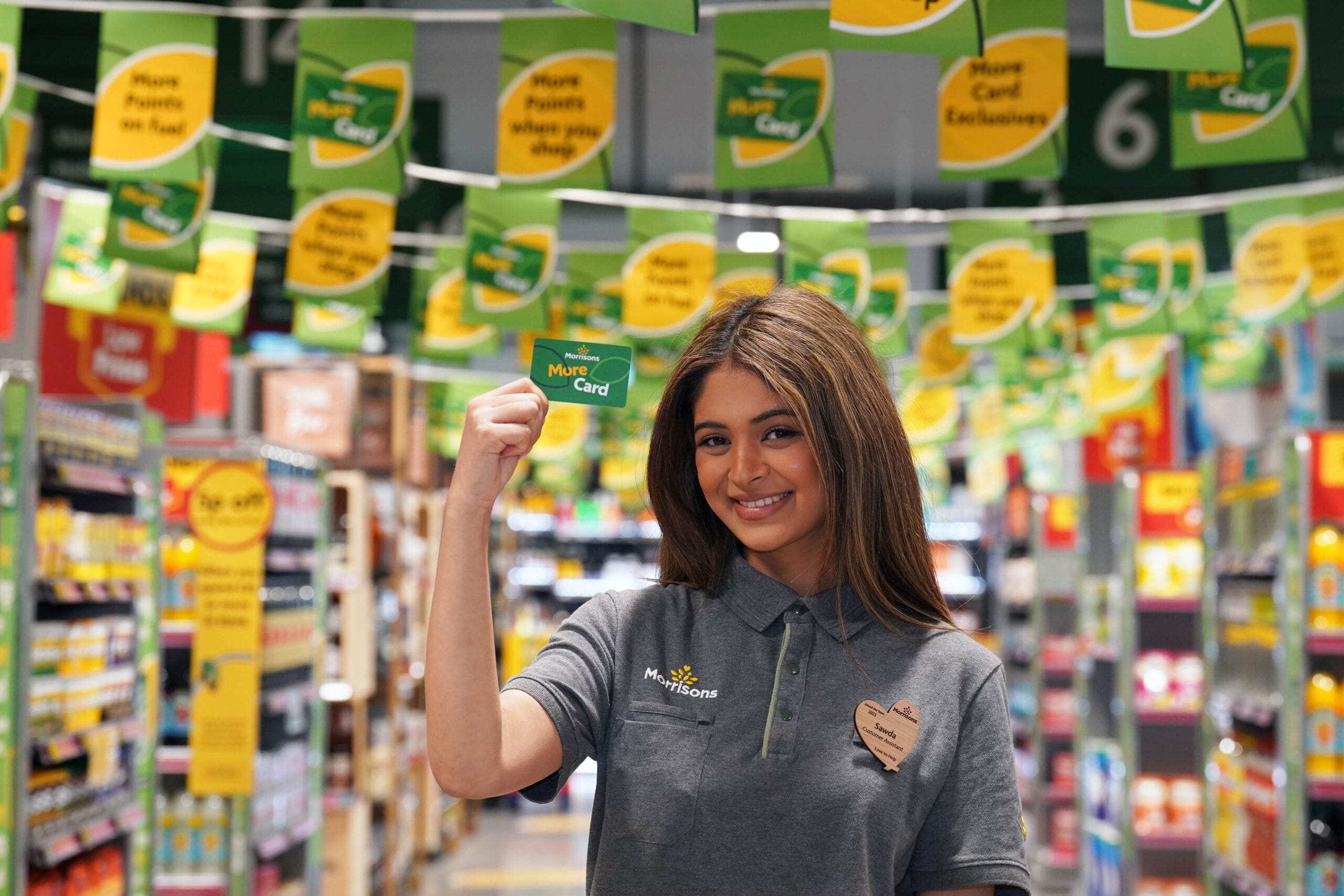
We don’t leave home without them. Whether it be for the supermarket, a hotel stay or our trip abroad; loyalty cards are now embedded as part of our lives.
The name, however, is something of a misnomer. We’re loyal to our partner, our family, or perhaps our dog; but an airline? a supermarket? a hotel chain? It may suit them to refer to it as a loyalty scheme, but for us - the consumer - a better description might be a maxing scheme.
Because that’s exactly what we’re doing. We’re maxing the opportunity - to save, collect points, receive personalised offers. Or in the case of Amazon Prime, we’re happy to pay for the privilege of convenience.
But are these schemes effective?
Effectiveness varies by sector
Retail
According to a P&C Global report, loyalty programmes still drive spend, but consumers now expect tangible value and personalised rewards. Nearly 70% of consumers actively seek cash‑back, exclusive rewards or real‑time discounts in retail programmes. Poorly designed schemes with vague incentives or complex rules quietly erode engagement.Hotels
The same report found that hotel loyalty members are more likely to stay with brands where they hold status, but overall enrolment has been flat since 2021. Many programmes fail due to inconsistent delivery and rising customer expectations.Airlines
And in a Forbes article, author Shep Hyken found from his research that airline loyalty programmes are often more valuable than the airline itself and that 46% of U.S. consumers are willing to pay more for companies that have good loyalty programs. Even more telling, 39% have chosen one brand over another, even if it is more expensive, simply to earn more points in a loyalty program.
Interestingly, loyalty programme usage is rising even though brand loyalty is declining.
But there’s a catch
BCG’s global survey shows loyalty and engagement are declining as consumers join more programmes. People expect differentiated experiences, personalised benefits, and relevant partnerships - not generic points. Loyalty schemes are effective when they create emotional connection, personal relevance, and frictionless value. They fail when they rely on outdated “earn and burn” mechanics.
Some of the most innovative loyalty schemes
Looking at retail, travel and hospitality, here are some of the more innovative programmes:
Retail
Adidas adiClub - A tiered, experience‑driven programme offering early access to drops and personalisation. Award‑winning and central to Adidas’ DTC strategy.
Sephora Beauty Insider - A benchmark for tiered loyalty with experiential rewards and strong emotional connection.
Starbucks Rewards - Mobile‑first, gamified, and deeply integrated into daily behaviour.
H&M Membership - Personalised offers, sustainability‑linked rewards, and omnichannel integration.
IKEA Family - Value‑based, not points‑based; focuses on community, workshops, and member‑only pricing.
Hospitality
Marriott Bonvoy - Highly flexible earn‑and‑burn ecosystem with 30+ brands and strong partnerships.
Hilton Honors - Deep integration with co‑branded credit cards and instant perks like digital keys.
Airline
American Airlines AAdvantage - The original loyalty programme, now a sophisticated revenue engine driven by credit‑card partnerships.
Emirates Skywards - Strong lifestyle partnerships and premium experiential rewards.
What makes these programmes innovative?
Hyper‑personalisation powered by data and AI
Gamification (badges, challenges, streaks)
Lifestyle integration (fitness, payments, sustainability)
Omnichannel experiences - earn and redeem anywhere
Experiential rewards - early access, exclusives, community
Partnership ecosystems that extend value beyond the core brand
These are the features driving the next generation of loyalty, and the ones consumers increasingly expect.
Cross-sector insights
Across all sectors, the 2025–2026 data shows:
Consumers demand clarity, flexibility, and genuine value.
According to Antavo’s Global Customer Loyalty Report, loyalty budgets are rising with 31% of marketing spend now going to loyalty/CRM.
AI‑driven personalisation is becoming a key differentiator, with 55% of Gen Z more likely to join AI‑powered programmes.
In summary
Airlines lead in financial and behavioural impact.
Hotels benefit from loyalty but struggle with consistency and modern expectations.
Retail is the most volatile: brilliant when personalised, weak when generic.
As for me? I’ll keep maxing brands wherever and whenever I can. Just don’t assume that I’m loyal to any of them.