The World’s Biggest Shopping Event - But Whose Party Is It Really?
Andrew Busby · 25 June 2026 · 3 min read
Once it was the Boxing Day sales, then the summer sales, and then there were the ‘Closing Down - All Must Go’ sales. And now it is Amazon Prime Day. But like Black Friday, one day simply isn’t enough - in the case of Prime, it’s four days. Four days to binge on all the stuff we never knew we needed.
Amazon Prime Day is both impressive and disturbing in equal measure. If Amazon Prime is our collective guilt trip, Prime Day is the manifestation of all that unnecessary consumerism.
As Prime Day 2026 is upon us, let’s look at the numbers. Prime Day in 2025 took place over four days in July, generated $24.1 billion in sales, up 70% on the previous year and more than double the $11.9 billion recorded in 2022. Over 300 million items were purchased. The average household spent $156. From the time it launched in 2015, created as a marketing tool aimed at boosting Prime subscriptions, the campaign has generated a cumulative $100 billion in profits.
And it works. Prime Day is a (forgive the pun) prime example of manufactured urgency. Lightning deals. Countdown timers. Dopamine off the scale. Roughly half of Prime Day shoppers in 2025 said they’d been waiting for items to go on sale, or in other words, carefully curated addiction.
But who ultimately benefits?
It’s clearly good for Amazon and good for its shareholders, not to mention its Prime membership numbers, and its advertising revenues. It’s also good for the third-party sellers riding the wave; small businesses made an estimated $6 billion from the 2025 event.
And it must be good for the consumer surely? Benefiting from all those bargains?
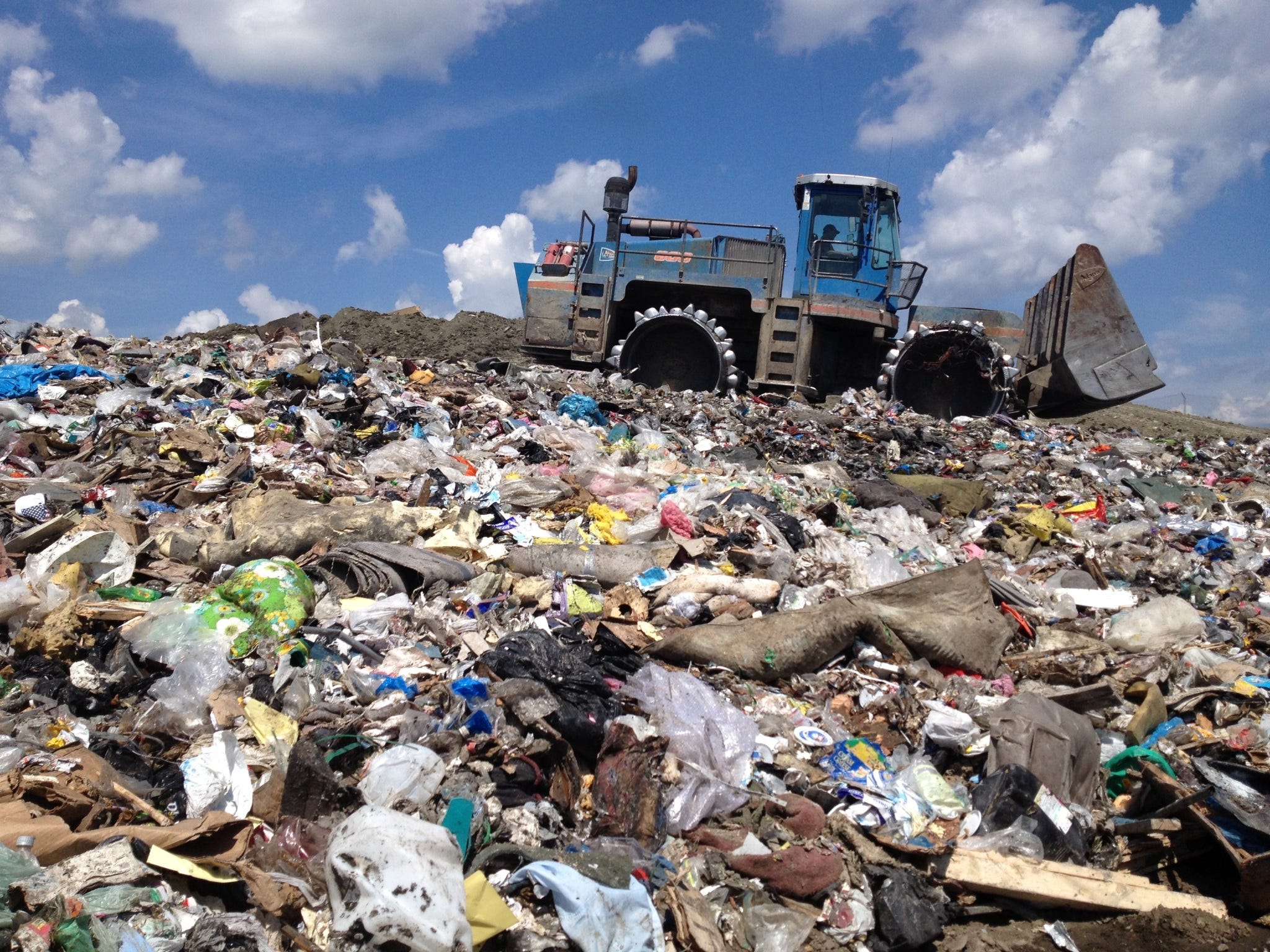
Well, not entirely. Because after the dopamine comes the withdrawal. Online purchases are three times more likely to be returned than items bought in a physical store. Returns creates 5.8 billion pounds of waste each year, according to reverse logistics firm Optoro.
Many returned items, including new, perfectly functioning products, are destroyed rather than restocked, because the economics of processing, inspecting and repackaging them simply don’t add up. Amazon has acknowledged this and claims to be working towards zero product disposal, but the practice persists at scale.
And then there is the carbon footprint of the event itself. Carbon accounting firm Greenly estimated that Prime Day 2022, a two-day event generating $11.9 billion, less than half of 2025, produced 1.2 million metric tonnes of CO₂. With the event now running twice as long and generating twice the revenue, the extrapolated environmental cost is considerable. Every delivery, every return journey, every item manufactured in expectation of a sale that may be reversed within 30 days all have an impact.
None of this of course is unique to Amazon. The retail industry has a long, well-documented relationship with overproduction, waste and the encouragement of consumption beyond genuine need. But Prime Day concentrates and accelerates all of these forces in a single event, now spanning four days and reaching hundreds of millions of households globally.
The most-purchased items from Prime Day last year were protein shakes and washing-up liquid. In other words, everyday consumption. But alongside those household staples, electronics, gadgets and fashion, categories with significant embedded carbon costs, remain as popular as ever.
Amazon is not blind to this. It has replaced plastic air pillows in its packaging, deployed over 24,000 electric delivery vehicles and pledged net-zero emissions by 2040. These are meaningful steps for a company operating at this scale. But sustainability initiatives and gorging on a four-day global consumption festival are not easy bed-fellows, and difficult to reconcile.
We all love a bargain but the sad truth is that the true cost of 300 million items changing hands in four days is not captured in any of the headline figures, perhaps we should be more honest about that?