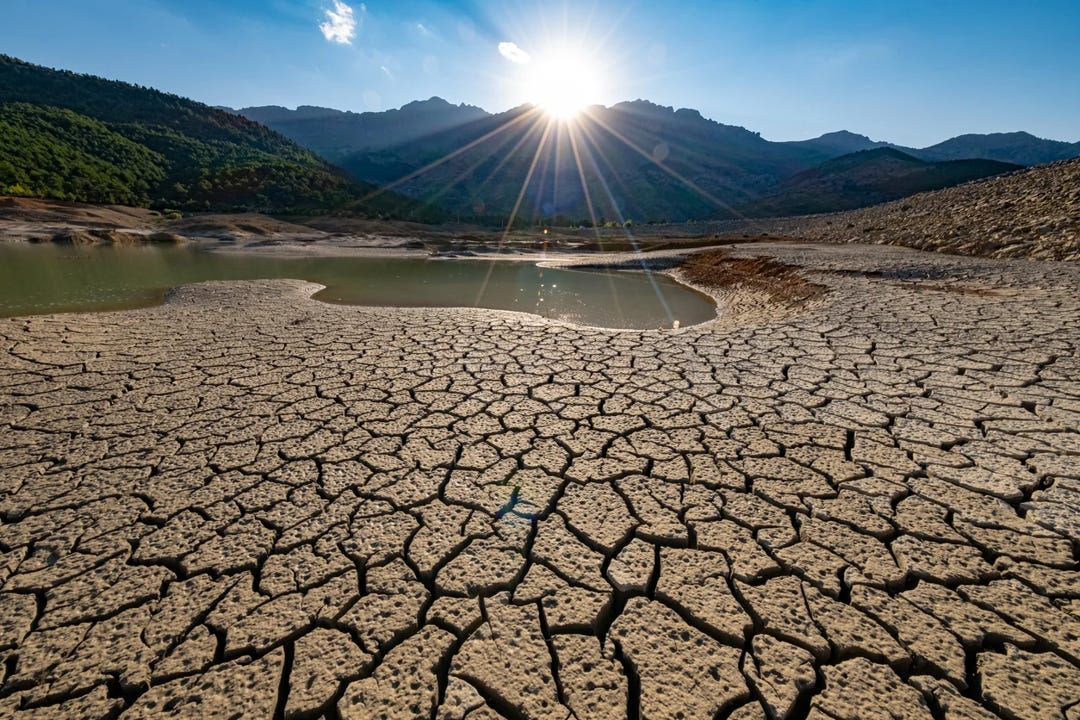
El Niño 2026 is shaping up to be one of the strongest in living memory. Professor Adam Scaife, Head of Long Range Forecasting at the Met Office, has gone on record as saying, “We should be clear that this is an unprecedented event”. He added: “I have never seen an El Niño signal this intense in our forecasts”.
El Niño is a naturally occurring weather event which occurs every few years where the sea-surface of the equatorial Pacific warms, affecting weather patterns across the globe. A typical El Niño leads to an equatorial Pacific sea-surface temperature rise of between 1-2 degrees, with 2oC being seen as a very significant event. However, the Met Office long-range forecasts are now showing record values of more than 3°C in the coming months.
The implications are clear: hotter, drier, and more volatile conditions across Asia, Africa, and South America which are already disrupting harvests, manufacturing hubs, and logistics networks. Parts of East Africa, North America, Mexico, Peru and Ecuador face severe flooding. The UK is expected to face a much wetter, stormier winter with flash flooding likely.
What this means for retail
The global impact on weather will be felt by UK retail not necessarily as a direct result of the weather but through global supply chains, commodity markets, and consumer prices.
Retailers depend heavily on imports, and El Niño will hit the regions that supply the UK’s most sensitive categories. A quarter of UK food imports, worth £17bn, come from areas most exposed to El Niño’s droughts and floods. Coffee, cocoa, bananas, citrus fruits, and tea are all at heightened risk. In the last El Niño cycle, UK coffee prices from Brazil rose 77%, cocoa doubled, and rice jumped by up to 33% depending on origin.
For 2026–27, scientists expect severe droughts in Indonesia, Malaysia, and parts of Africa, alongside flooding in China and South Asia. That means:
Palm oil shortages → higher prices across thousands of SKUs (from shampoo to peanut butter).
Rice, sugar, wheat volatility → higher bakery and staples inflation.
Coffee and cocoa disruption → sustained pressure on confectionery and hot beverages.
These shocks typically hit retail shelves 6+ months after the climate event peaks, meaning that food inflation will exist well into 2027.
Expect grocers to take the following mitigating actions in the face of the impact this extreme weather will cause:
Absorb: temporarily squeeze margins and maintain promotions.
Pass-through: gradual price rises, shrinkflation, and reduced promotional depth.
Adjust: more own‑label switching, smaller pack sizes, and tighter assortment planning.
However, the grocers aren’t the only ones who will feel the effects of this ‘super El Niño’.
Fashion and general merchandise will not be immune. For example, Bangladesh, the world’s second‑largest garment exporter to the UK, faces both drought and flooding risk, threatening factory output and logistics reliability.
Energy and manufacturing
Coming on top of the continuing hostilities in Iran and the challenges surrounding the Strait of Hormuz, the impact of El Niño disrupting hydroelectric output in parts of Asia and South America, will have a more acute effect of increasing global demand for gas and oil. Higher wholesale energy prices feed into fertiliser costs, agricultural inputs, and manufacturing overheads, all of which eventually land in retail pricing.
Semiconductor production in Malaysia may also face water shortages, affecting electronics availability and pricing.
Bottom line for UK retail
As we’ve seen, El Niño 2026 will disrupt economies around the world, plunging some into drought, whilst others will see severe flooding. And the UK will not escape the impact of all of this.
Expect:
A fresh wave of food inflation in late 2026–27.
Higher costs in categories tied to global agriculture and manufacturing.
More volatility in promotional calendars and assortment depth.
Margin pressure across grocery, fashion, beauty, and electronics.
We often talk about the challenges facing retailers: rising costs, the ultra-competitive market, the impact of online, volatile consumer behaviour, but I wonder who, at the start of 2026, had El Niño on their bingo card?